Sacred Waterfall
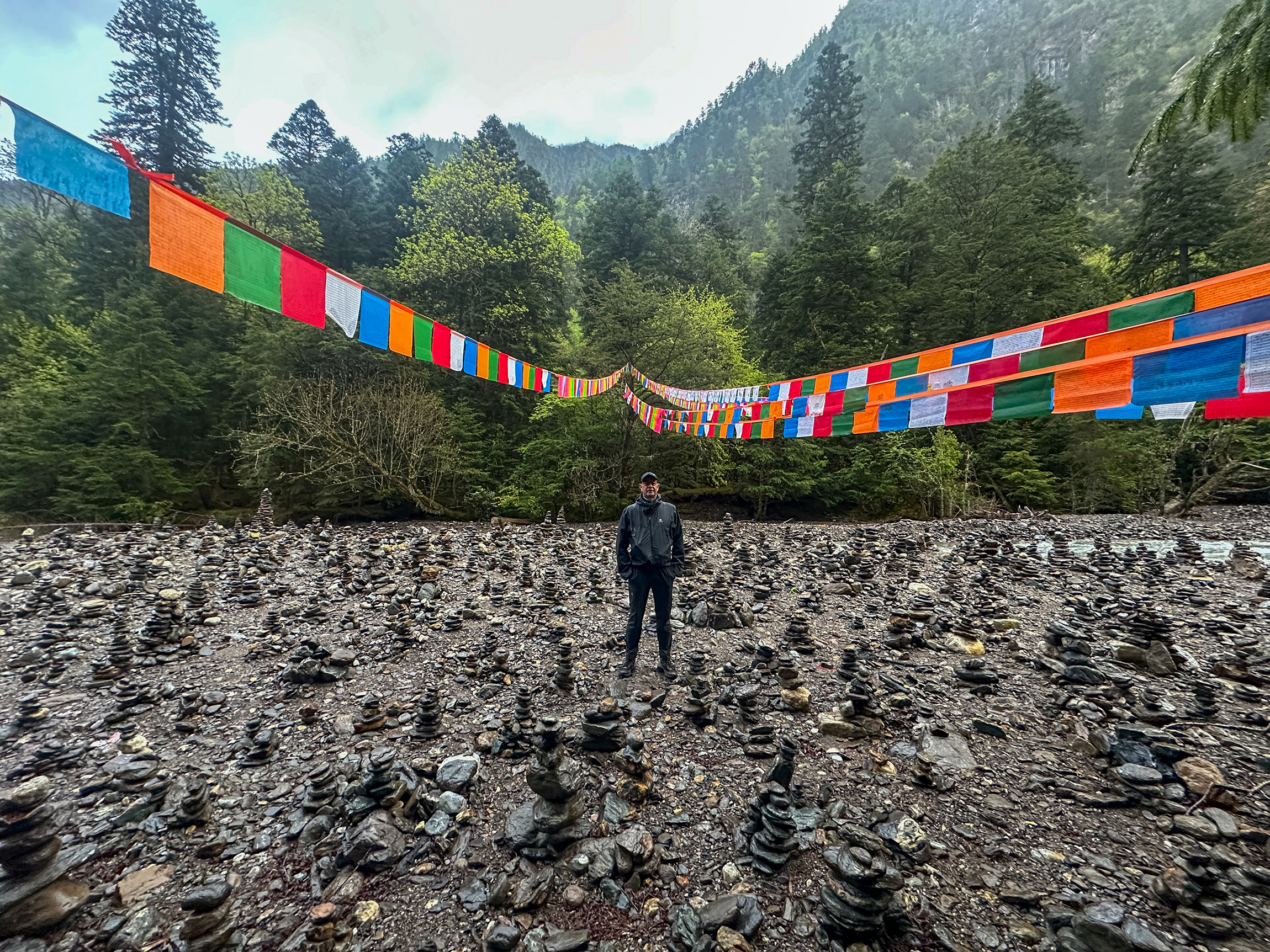
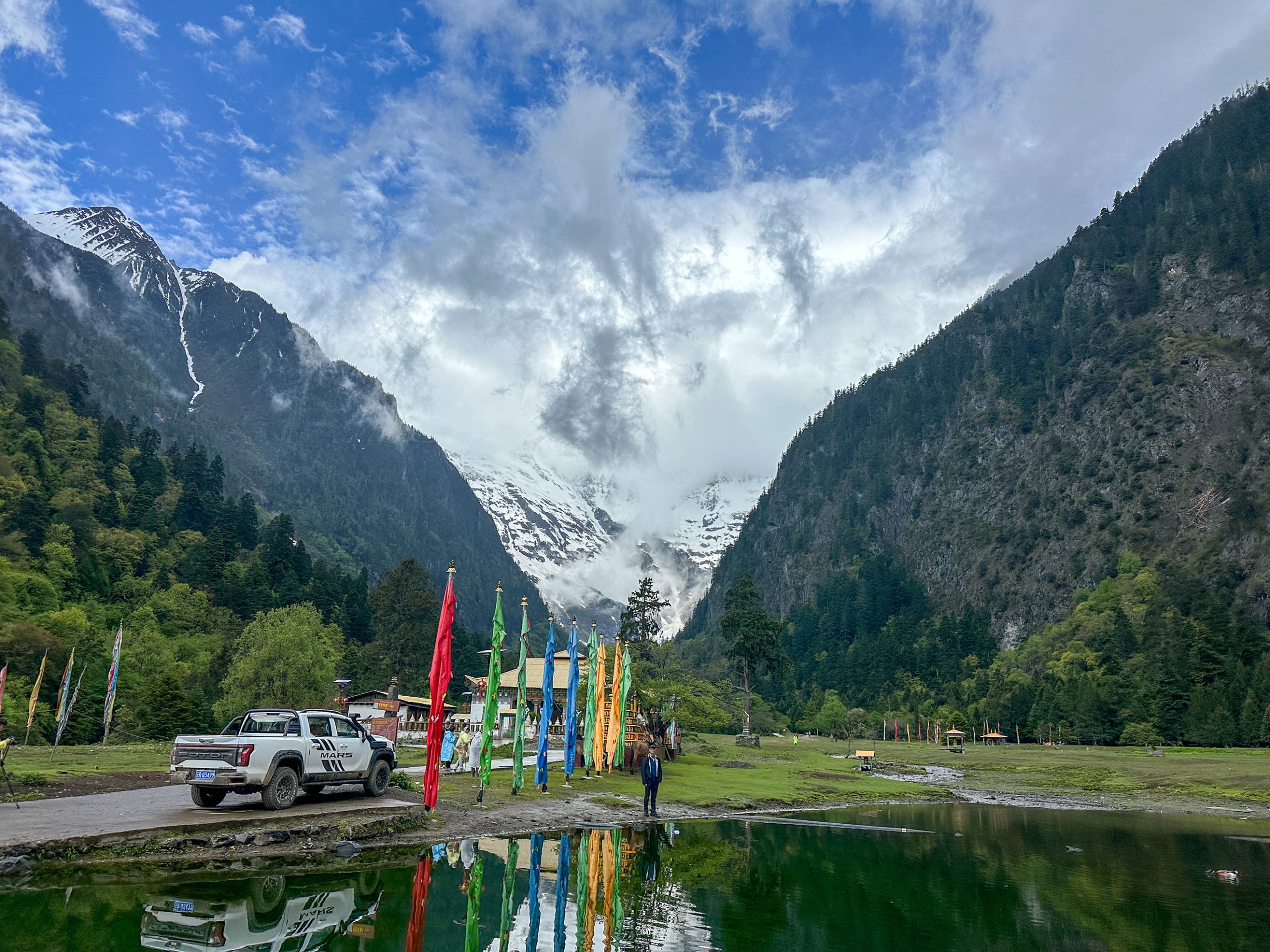
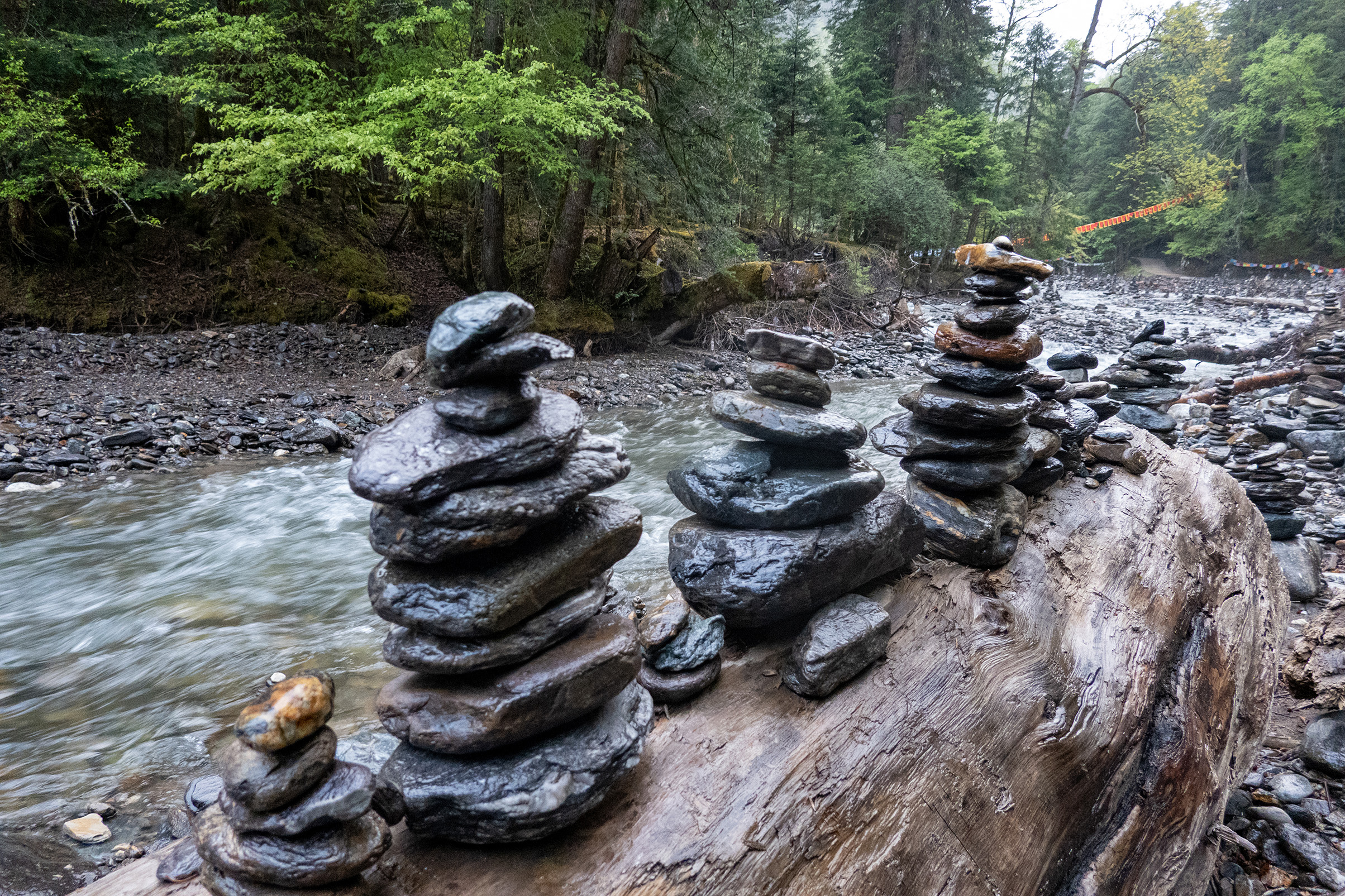
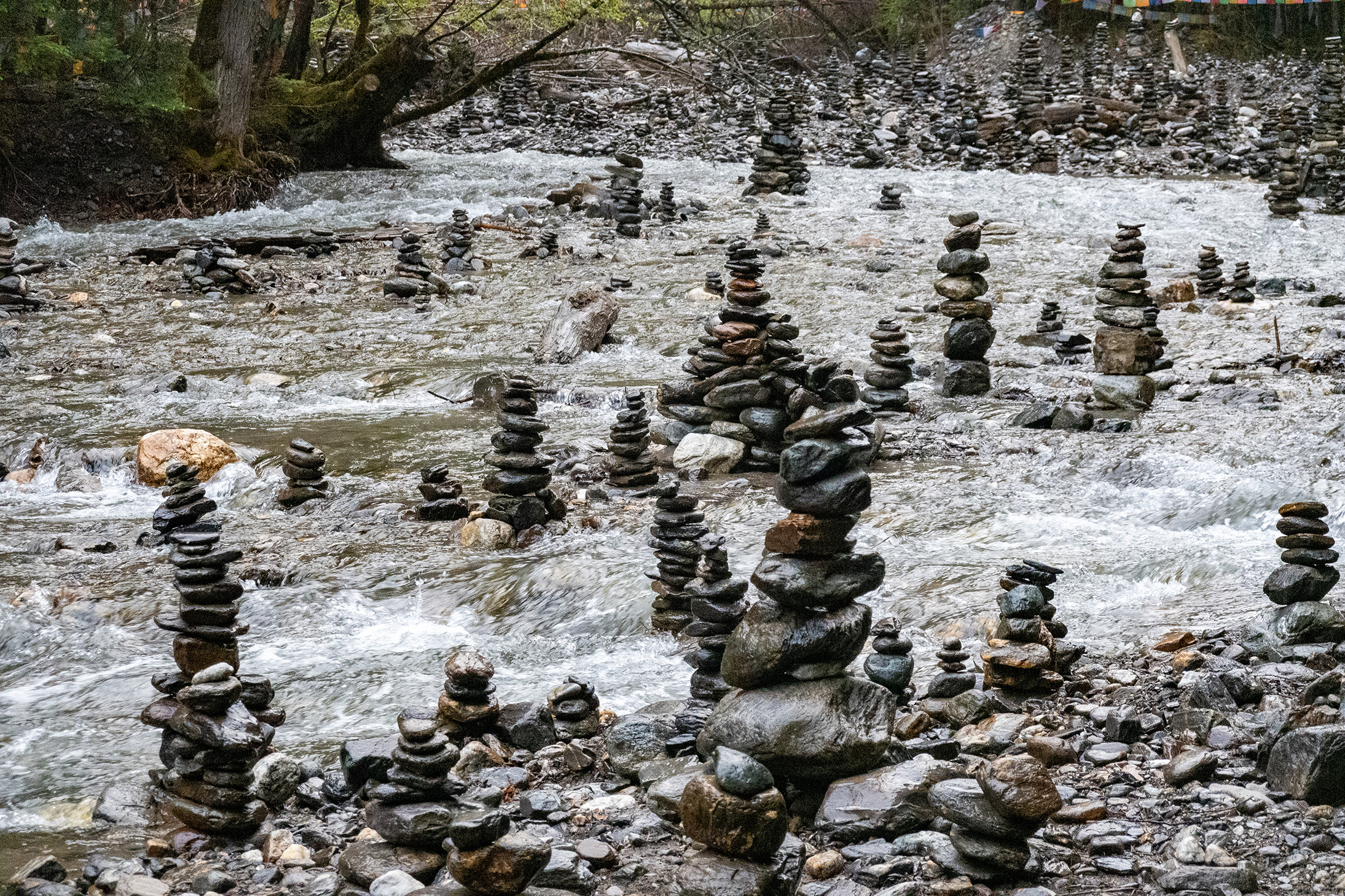
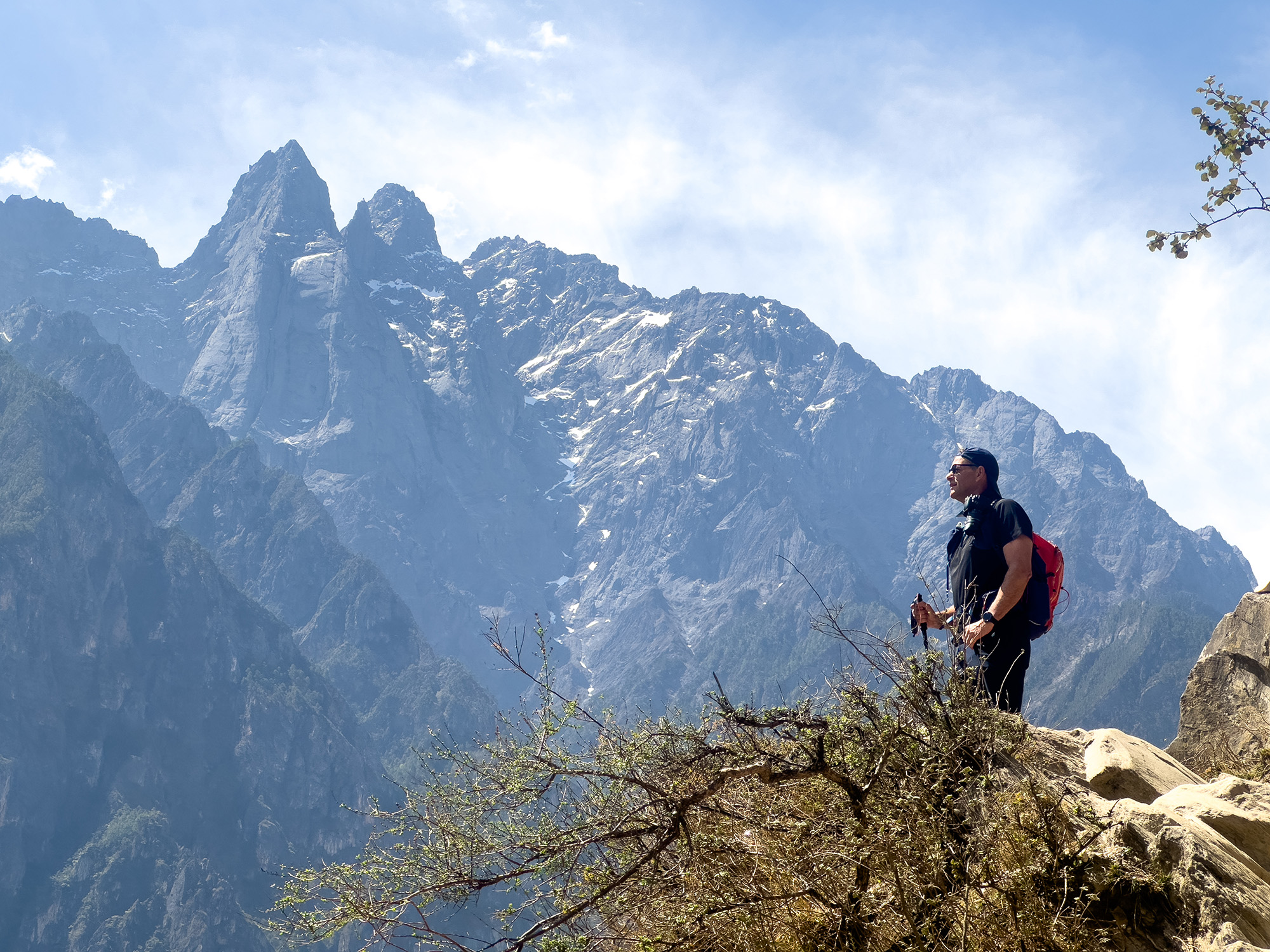
The trek to the Sacred Waterfall is a spiritually charged journey that serves as a fitting finale to any Yunnan adventure. Starting from the remote village of Yubeng, this 10-kilometer round-trip takes hikers deep into the heart of the Meili Snow Mountains, a region of immense religious significance for Tibetan Buddhists. The trail begins with a deceptively gentle, flat walk along a river, but soon transitions into a steady 500-meter ascent through a landscape transformed by faith. Thousands of prayer flags add vibrant splashes of color to the misty valley, while countless stone cairns, or “worship things,” line the path, placed by pilgrims to purify karma and bring good fortune to travelers.
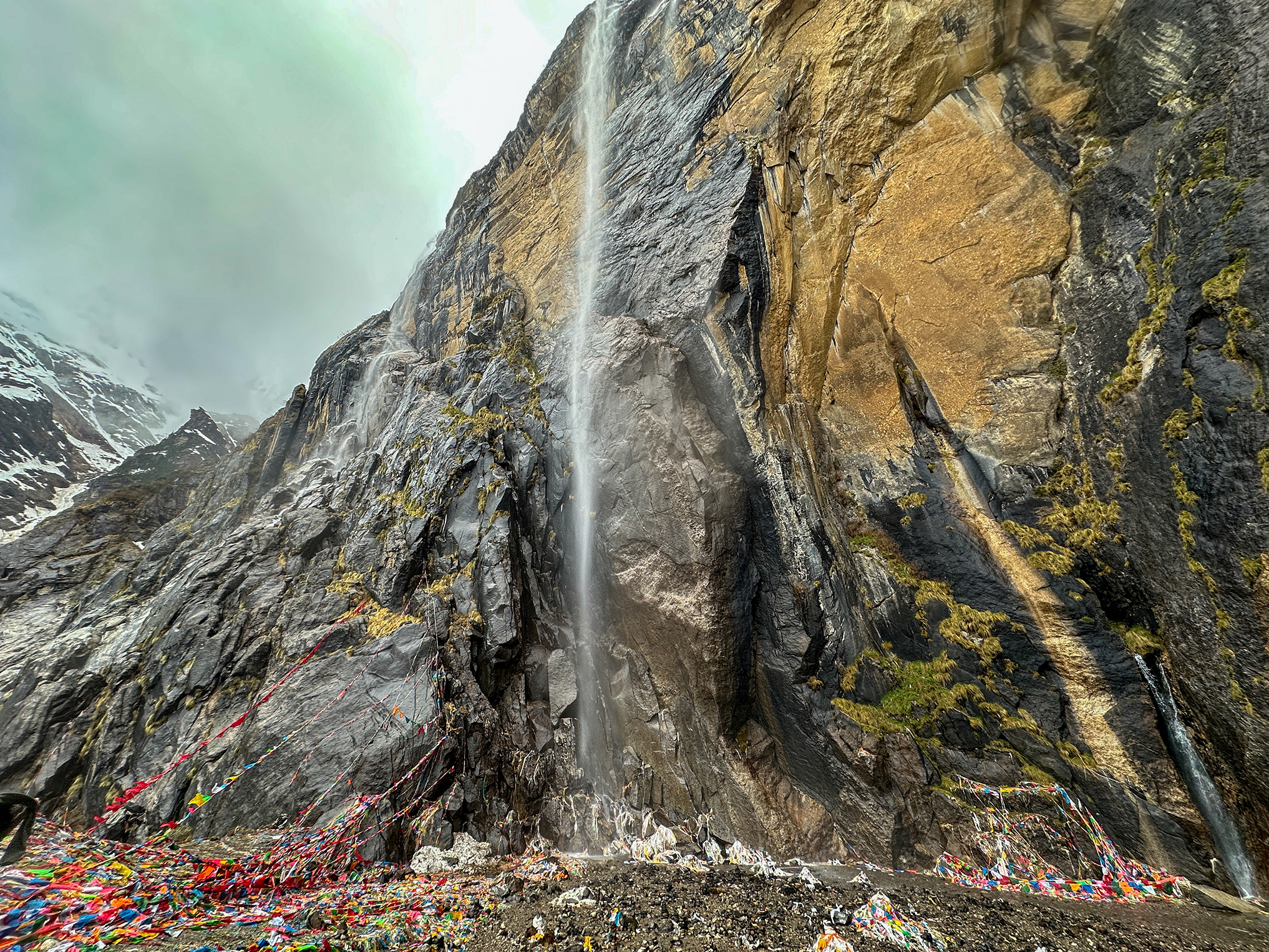
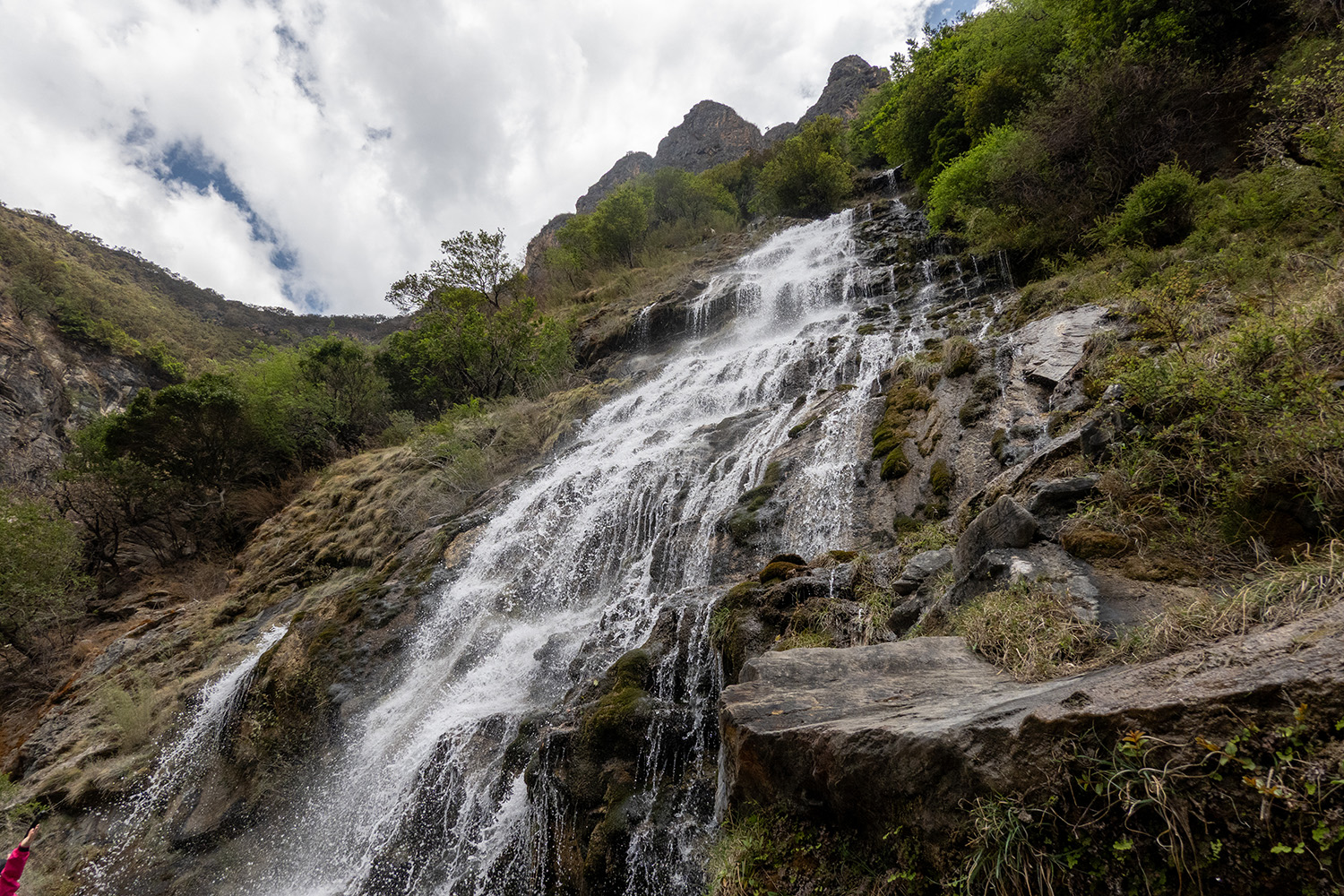
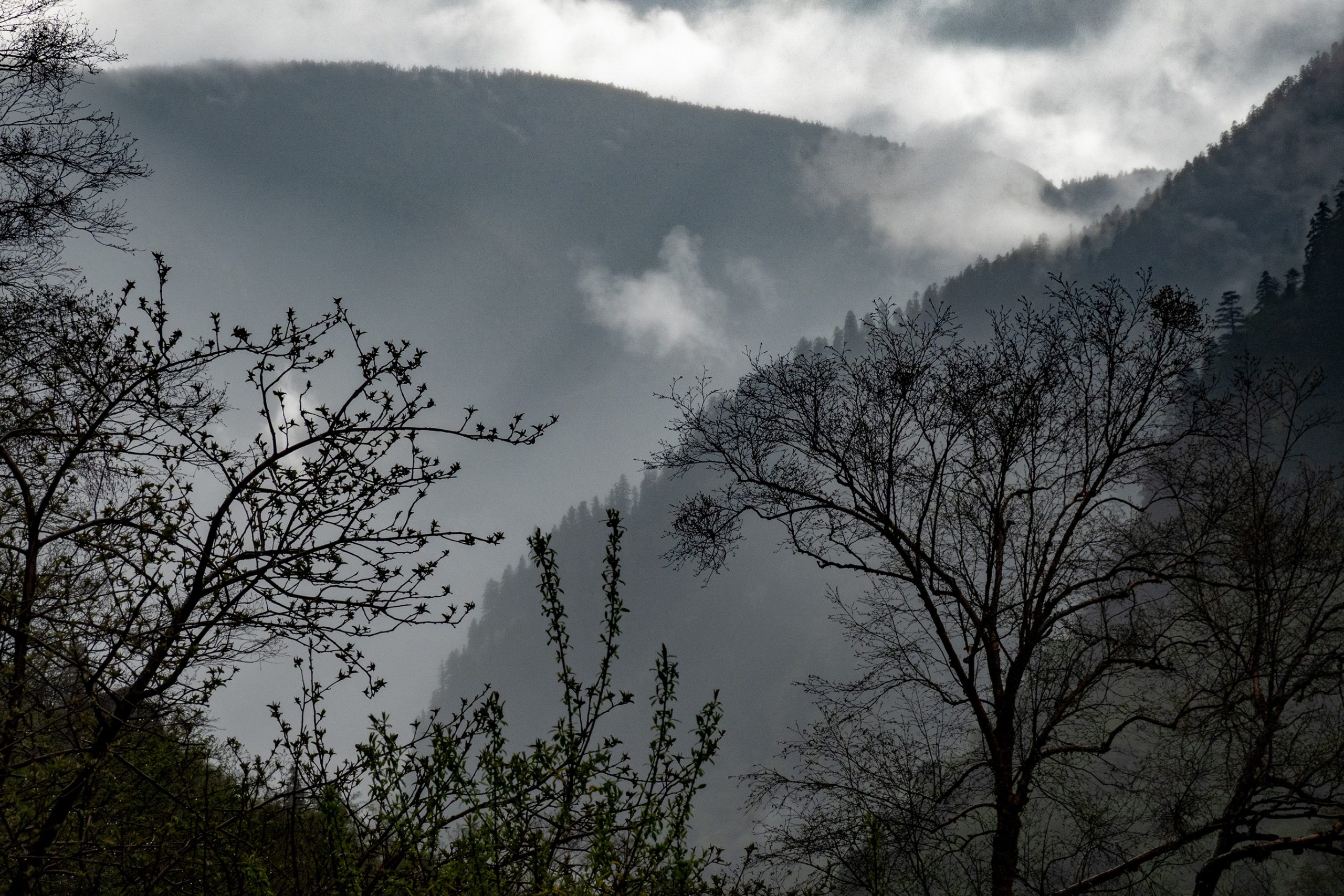
Despite the challenging altitude—reaching a peak of 3,657 meters—the path is paved with concrete, providing a reliable surface even when the region’s volatile weather turns to rain. About three-quarters of the way up, a rustic farm hut offers a welcome sanctuary where hikers can refuel with boiled eggs and surprisingly good coffee by a warm fire. The final push involves steep switchbacks and stairs that test the lungs, but the reward is a spectacular view of the waterfall cascading down the rock face. Here, the air is thick with mist and devotion as locals perform traditional rituals and bathe in the freezing waters. For trekkers like DJ and Andy, the sudden break of sunshine at the summit provides a breathtaking conclusion to an arduous but rewarding mountain pilgrimage.
DIFFICULTY
DISTANCE
TIME
ELEVATION
WATCH THE VIDEO
DIRECTIONS
Early Dawn Start: Aim to leave your Yubeng guesthouse before dawn (around 6:30 a.m.). This ensures you beat the mid-day crowds and gives you ample time to return before dark, especially if you plan to hike all the way back to Ninong afterward.
1. Locate the Riverside Path: Exit the village heading toward the mountains. The trail begins as a nice and flat concrete path that follows the river upstream. This is a great time to find your rhythm and settle into the altitude.
2. The “Cairn” Forest: As you walk, look for the thousands of small stone stacks (cairns) left by Tibetan pilgrims. These signify prayers and protection; they mark the transition from a standard hike into a spiritual corridor.
3.The Initial Ascent: After a few kilometers, the river will begin to drop away below you. The path starts to climb steadily. You are aiming for a total elevation of 3,657 meters, so keep a slow, consistent pace to manage the thinning air.
4. The Prayer Flag Corridor: As the gradient rises, the forest becomes draped in colorful Tibetan prayer flags. This is one of the most visually stunning parts of the trek, where the wind “reads” the prayers printed on the cloth.
5. The Halfway Refuel: Approximately 3.5 km into the hike, you will reach a small farm hut. This is a critical rest stop where you can sit by a warm fire and buy simple snacks like boiled eggs and coffee (even lattes!) to boost your energy for the final push.
6. The Switchback Challenge: After the hut, the “real” climbing begins. The path utilizes a series of steep concrete switchbacks and stairs to gain the final few hundred meters of elevation. This is the toughest section for your lungs.
7. The Sacred Waterfall (The Goal): You will reach the base of the waterfall at the head of the valley. Observe the local folk customs—you may see pilgrims performing traditional worship or even bathing in the icy water to cleanse their karma. Take time to soak in the panorama of the Meili Snow Mountains.
8. The Descent to Yubeng: Turn back and follow the same concrete path downward. While easier on the heart and lungs, the steep stairs and switchbacks can be tough on the knees, so use trekking poles if you have them.
9. Refuel in Yubeng: Return to the village (completing the 10 km round trip) for a well-earned bowl of noodles. If you are staying another night, relax in one of the local cafes; if you are leaving, prepare for the additional 12-km walk back down to Ninong.
GALLERY