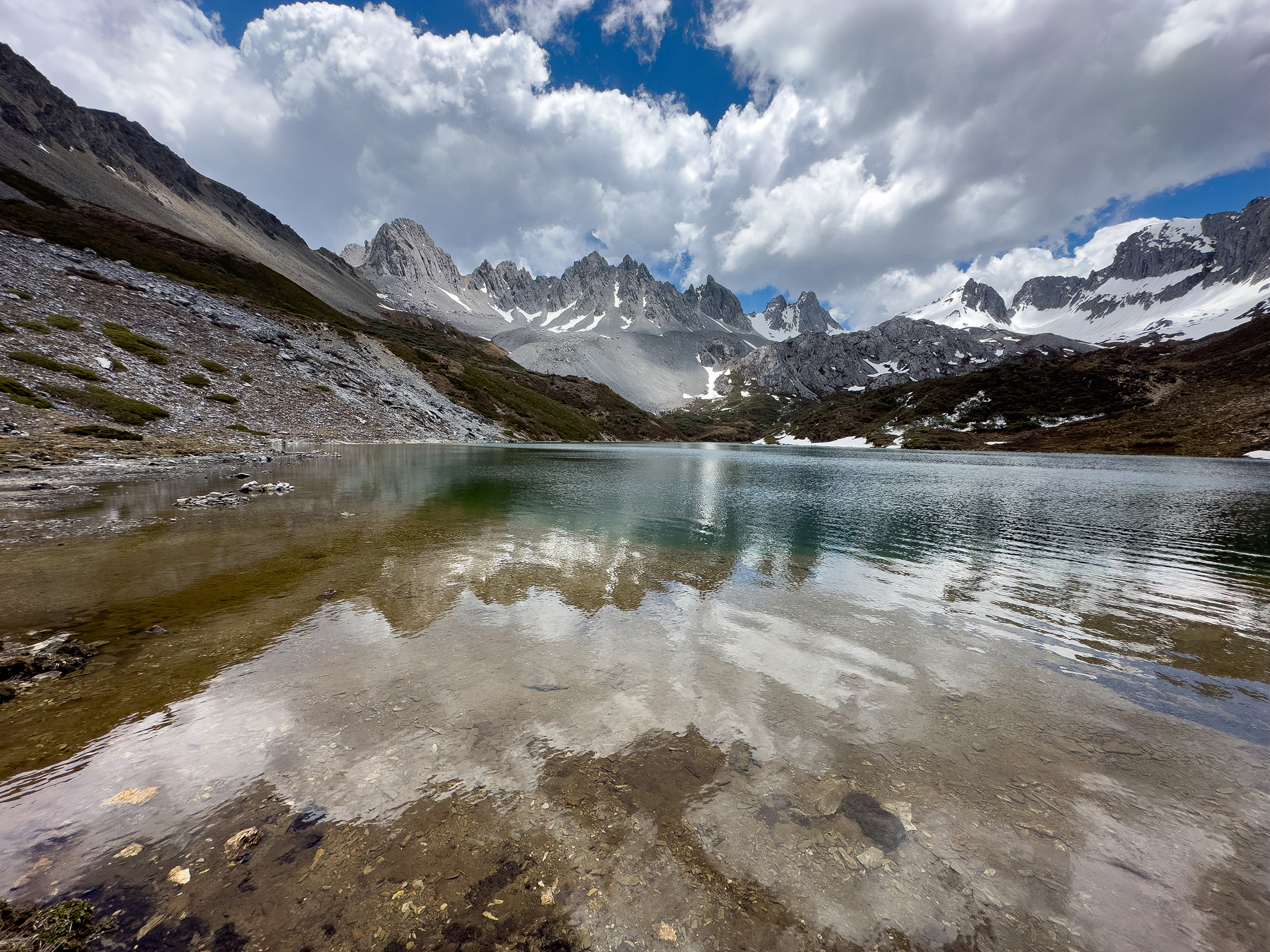
Abuji Lake
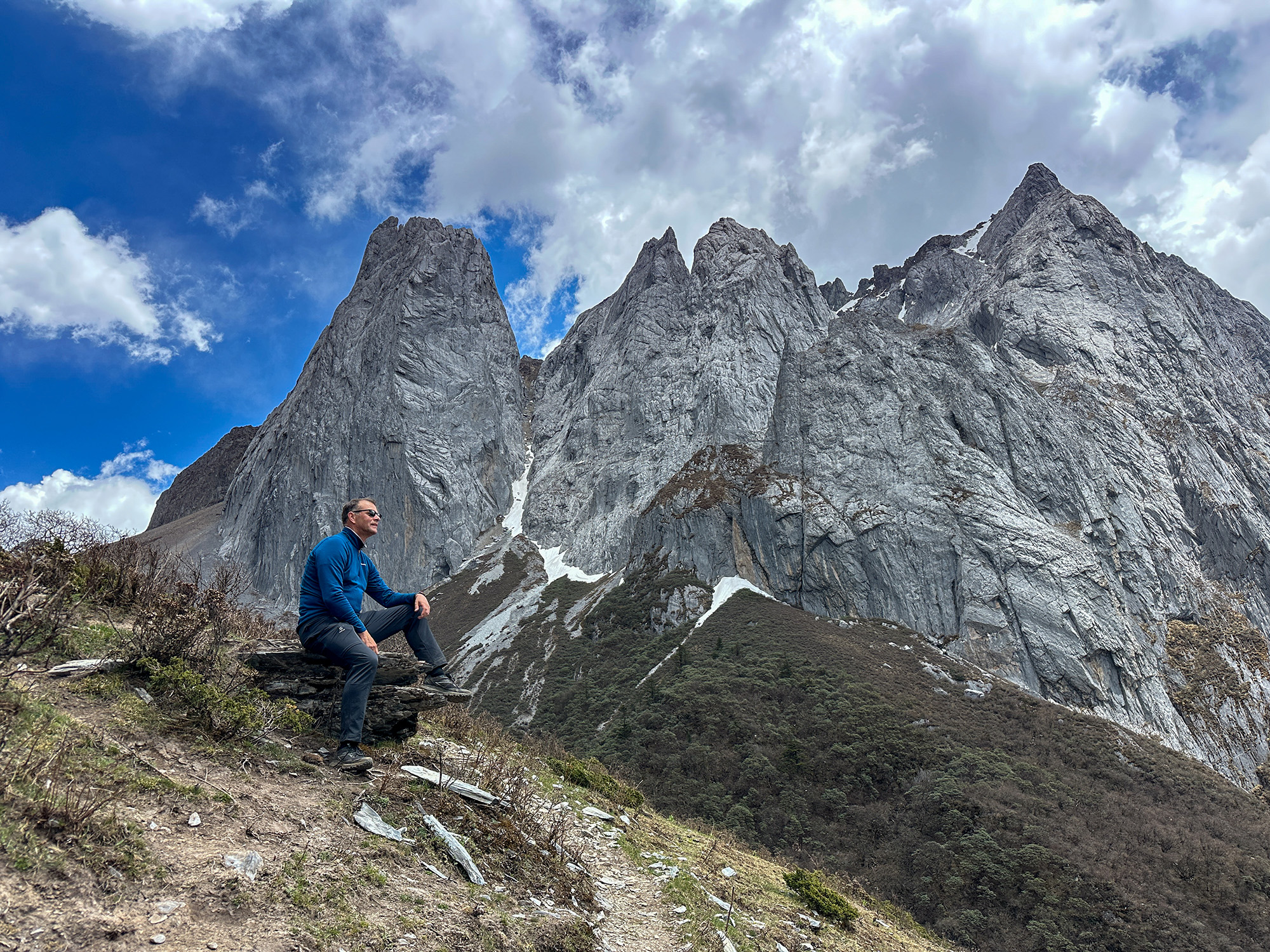
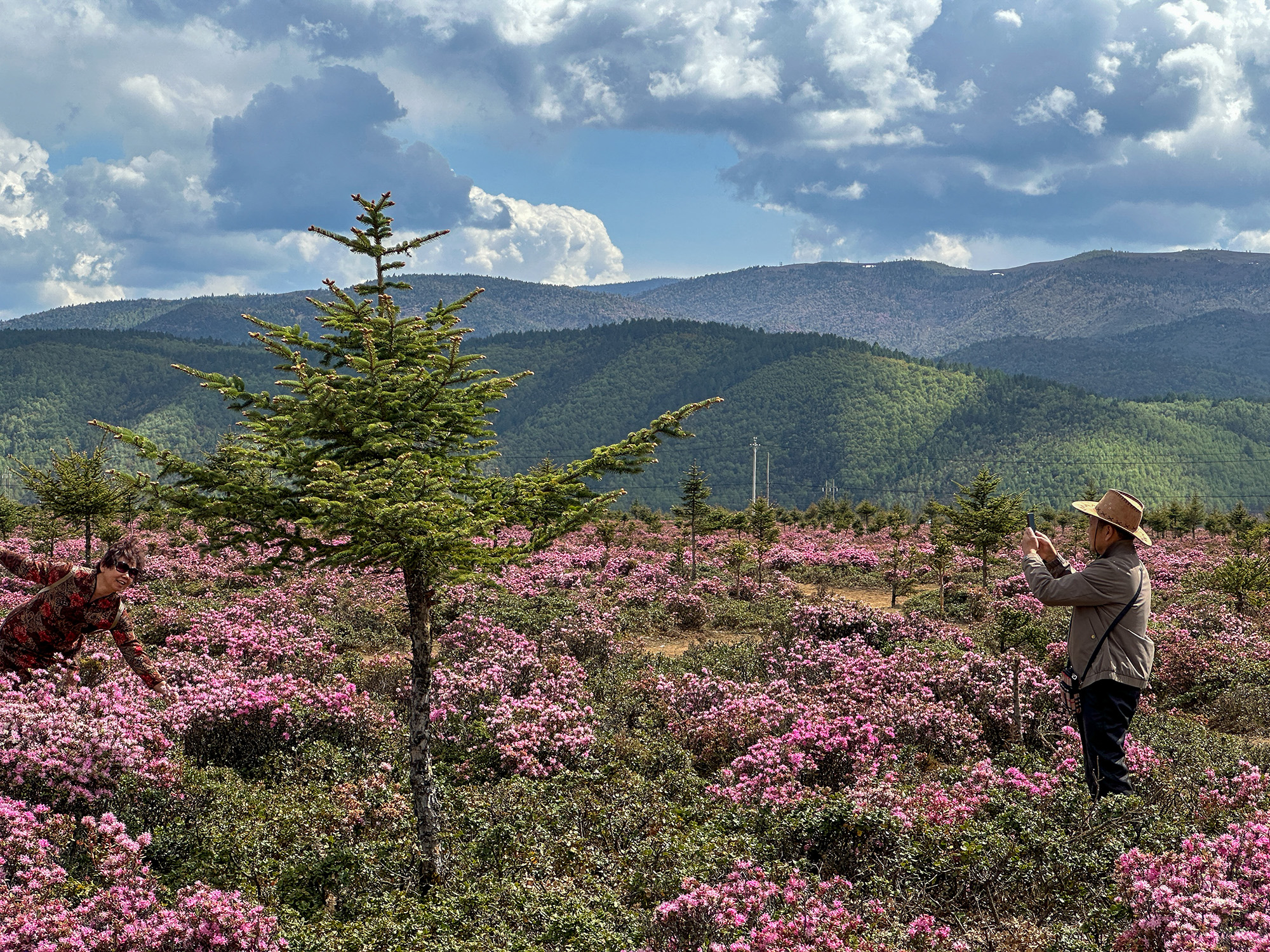
The Abuji Lake hike is a stunning “out and back” trek located about 50 km outside of Shangri-La, offering a dramatic transition from lush forests to a stark glacial amphitheater. The 9 km journey begins at an altitude of 3,600 meters, where hikers initially navigate a relatively flat path through serene yak meadows and thick forests of fir and rhododendron. However, the route quickly intensifies into what is described as a “brutal” climb, gaining 500 meters of elevation over a single kilometer. This steep section tests the lungs and legs of even acclimatized trekkers, following a mountain stream and passing under towering cliffs and waterfalls before leveling out into a more manageable alpine gully that leads to the final ridge.
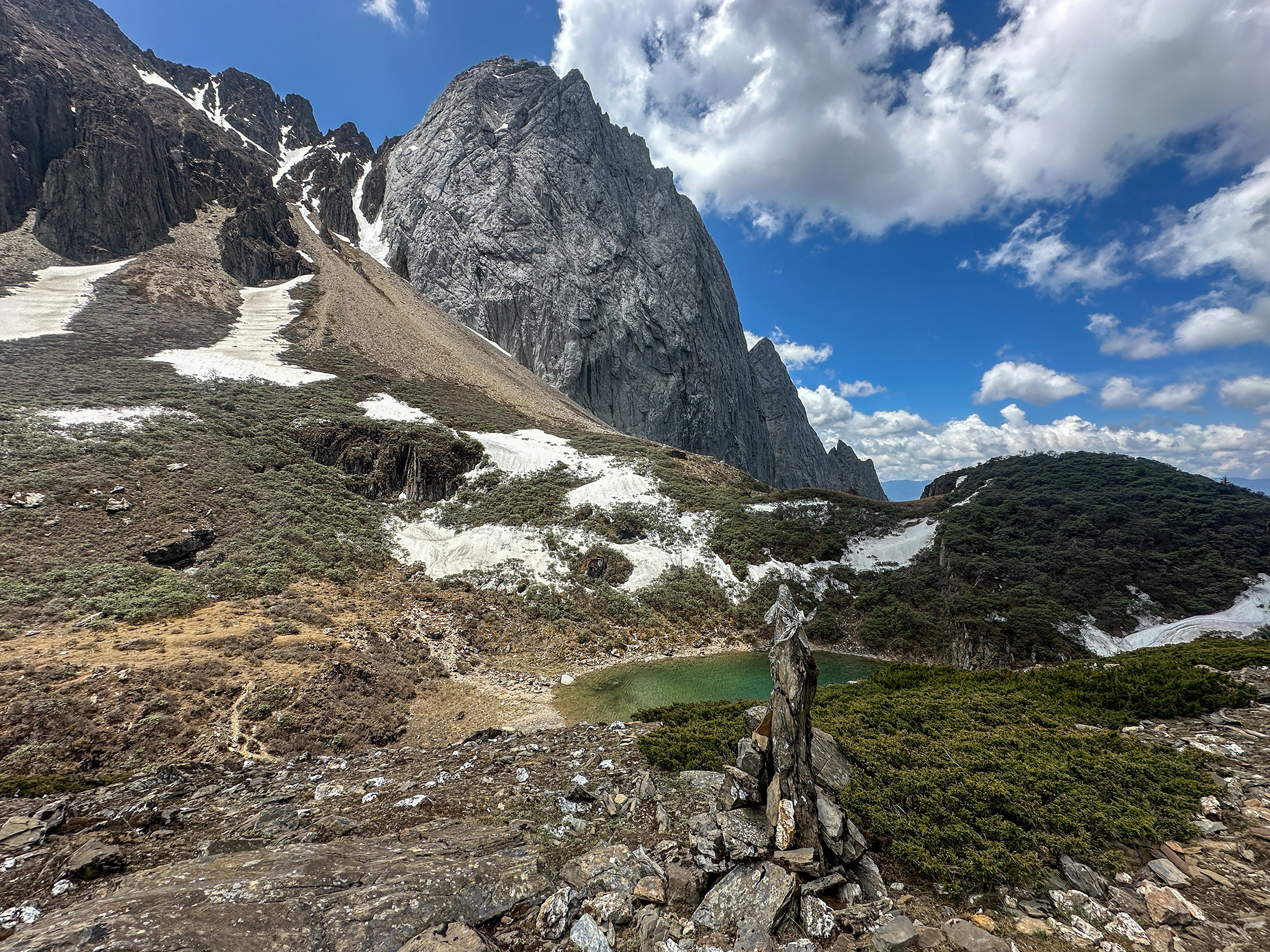
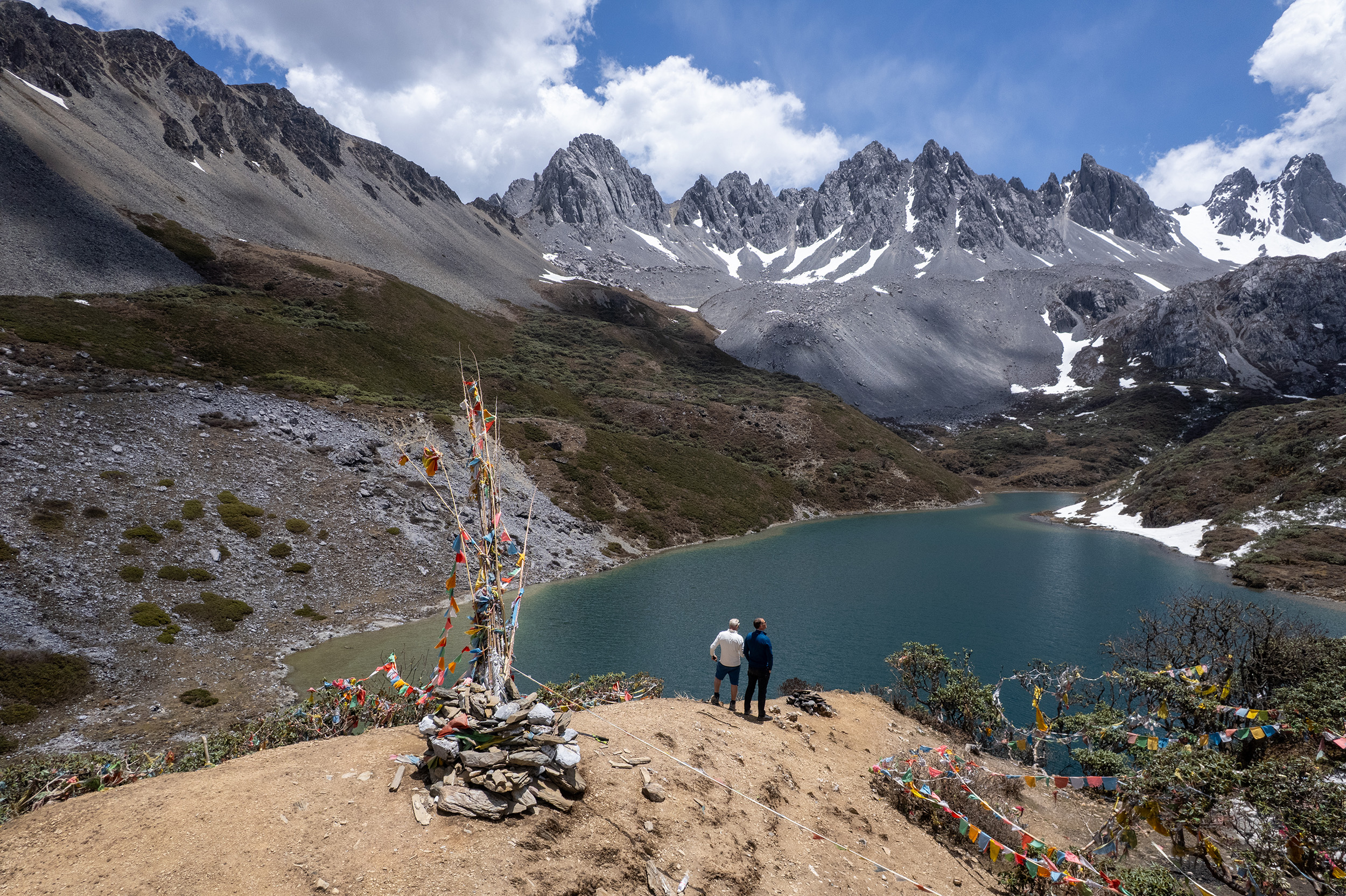
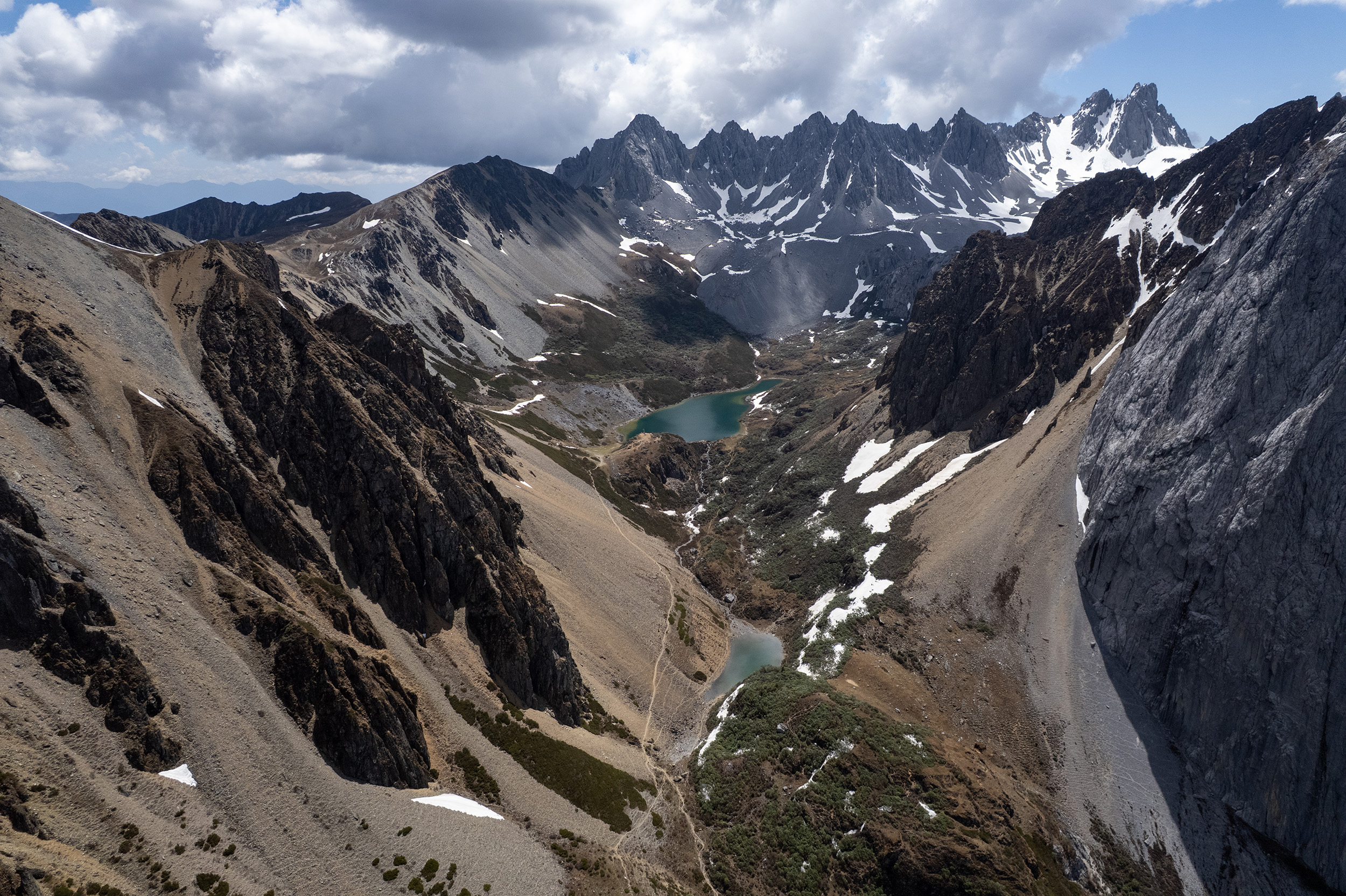
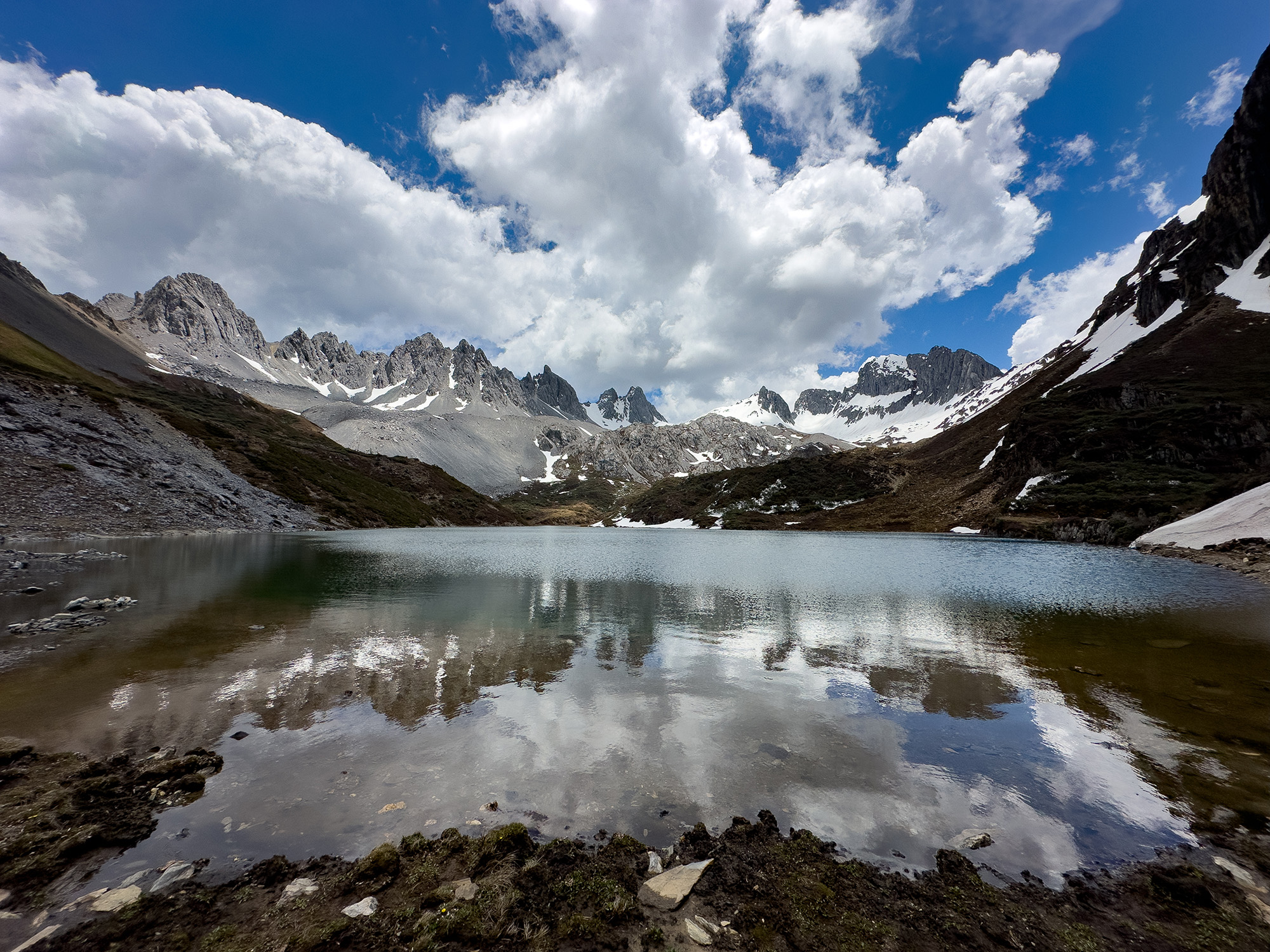
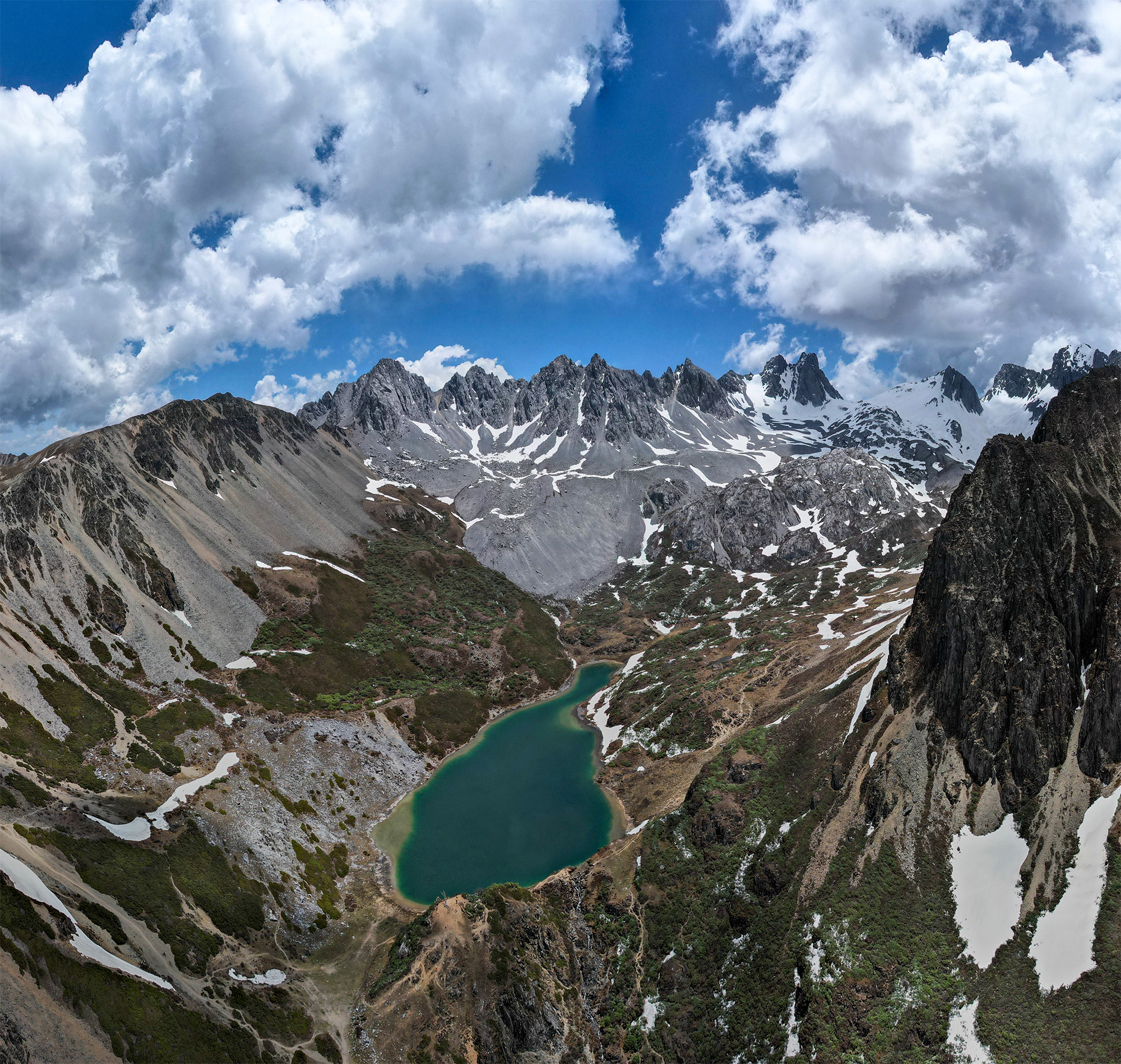
The climax of the hike is the reveal of Abuji Lake, a pristine body of water nestled at 4,200 meters (roughly 13,000 feet) and surrounded by rugged, snow-capped peaks. Reaching the lake feels like a triumph, though the high-altitude environment remains unpredictable; as the Drone and Phone team experienced, clear morning skies can rapidly give way to afternoon hailstorms. The return descent follows the same steep path, providing expansive views of the valley below and serving as a reminder of the importance of early starts in Yunnan to avoid late-day weather shifts. While physically demanding, the hike is hailed as an “absolute stunner” that captures the raw, alpine beauty of Northern Yunnan in a single, spectacular day.
DIFFICULTY
DISTANCE
TIME
ELEVATION
WATCH THE VIDEO
DIRECTIONS
1. Secure Transport from Shangri-La: The trailhead is located near Xiagei Village (霞给村), about 20–25km southeast of Shangri-La’s Old Town. There is no public bus. Your best bet is to hire a local driver for the day (expect to pay around 200–300 RMB for a round trip).
2. Navigate the Logging Roads: Tell your driver you are going to the Abuji Trailhead. The car will leave the main paved road and wind up a bumpy, unpaved logging track through the forest. Most drivers will drop you off at a small clearing where the road ends or becomes impassable for non-4WD vehicles.
3. Start Through the Primitive Forest: The first third of the hike is a steady incline through dense coniferous forests and rhododendron bushes. The path can be muddy, so follow the ribbons tied to trees by previous hikers—these are your primary navigation markers.
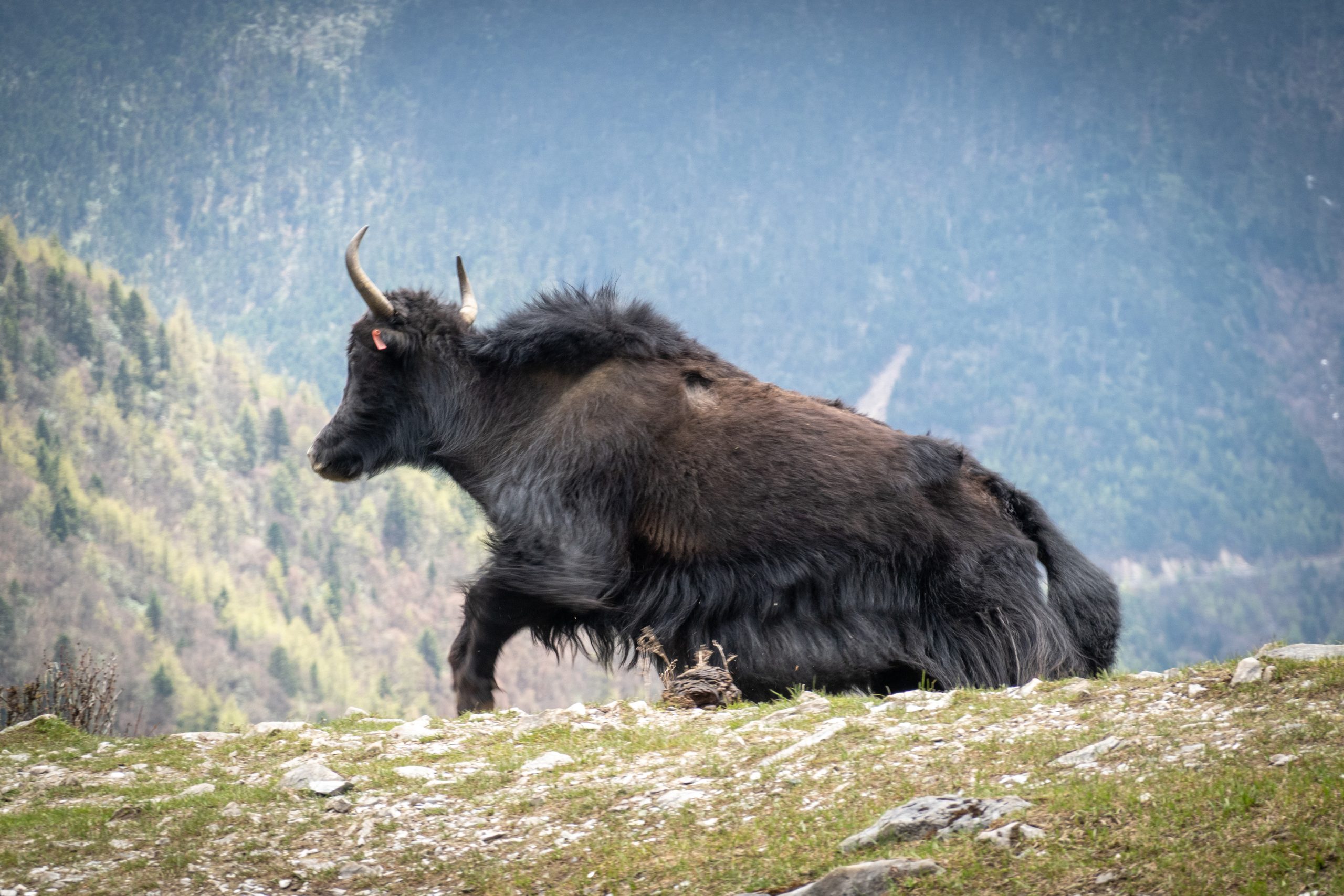
4. Reach the First Meadow: As the trees thin out, you’ll enter a wide alpine meadow. This is a great spot to check your breathing. You are likely at ~3,800 meters now. In the summer, you’ll see yaks grazing and perhaps a nomad’s stone hut.
5. Cross the Streams: Depending on the season, you may need to hop across a few small streams fed by snowmelt. Keep your waterproof boots tight. The trail follows the valley floor upward toward the towering gray peaks in the distance.
6. The “Final Boss” Climb: The last kilometer is the steepest. The switchbacks disappear, and you’ll be trekking up a rocky, scree-heavy slope. Take 10 steps and rest if you need to; the oxygen is significantly thinner here.
7. Crest the Ridge for the Reveal. You don’t see the lake until you are right on top of it. Once you crest the final rocky ridge, the emerald-blue Abuji Lake reveals itself, cradled in a glacial cirque.
8. Explore the Lakeshore. Spend time walking around the shore. Many hikers leave prayer flags near the “Holy Finger” rocks. If you have the energy, you can climb the ridges on either side for a bird’s-eye view of the water’s color.
9. Monitor the Weather. Weather at 4,200m changes in minutes. If you see dark clouds rolling over the peaks, start your descent immediately. Lightning and hail are common afternoon occurrences in the mountains of Yunnan.
10. Descend and Confirm Pickup. The hike down is much faster but harder on the knees. Ensure you have coordinated a specific time or have your driver’s WeChat/phone number to signal when you are roughly 30 minutes from the trailhead, as cell service can be spotty until you get lower down.
Essential Quick Tips
Altitude: Shangri-La is at 3,300m; the lake is at 4,200m. Spend at least two days in town to acclimatize before attempting this.
Gear: Waterproof hiking shoes and a windbreaker are non-negotiable.
GALLERY