Haba Snow Mountain
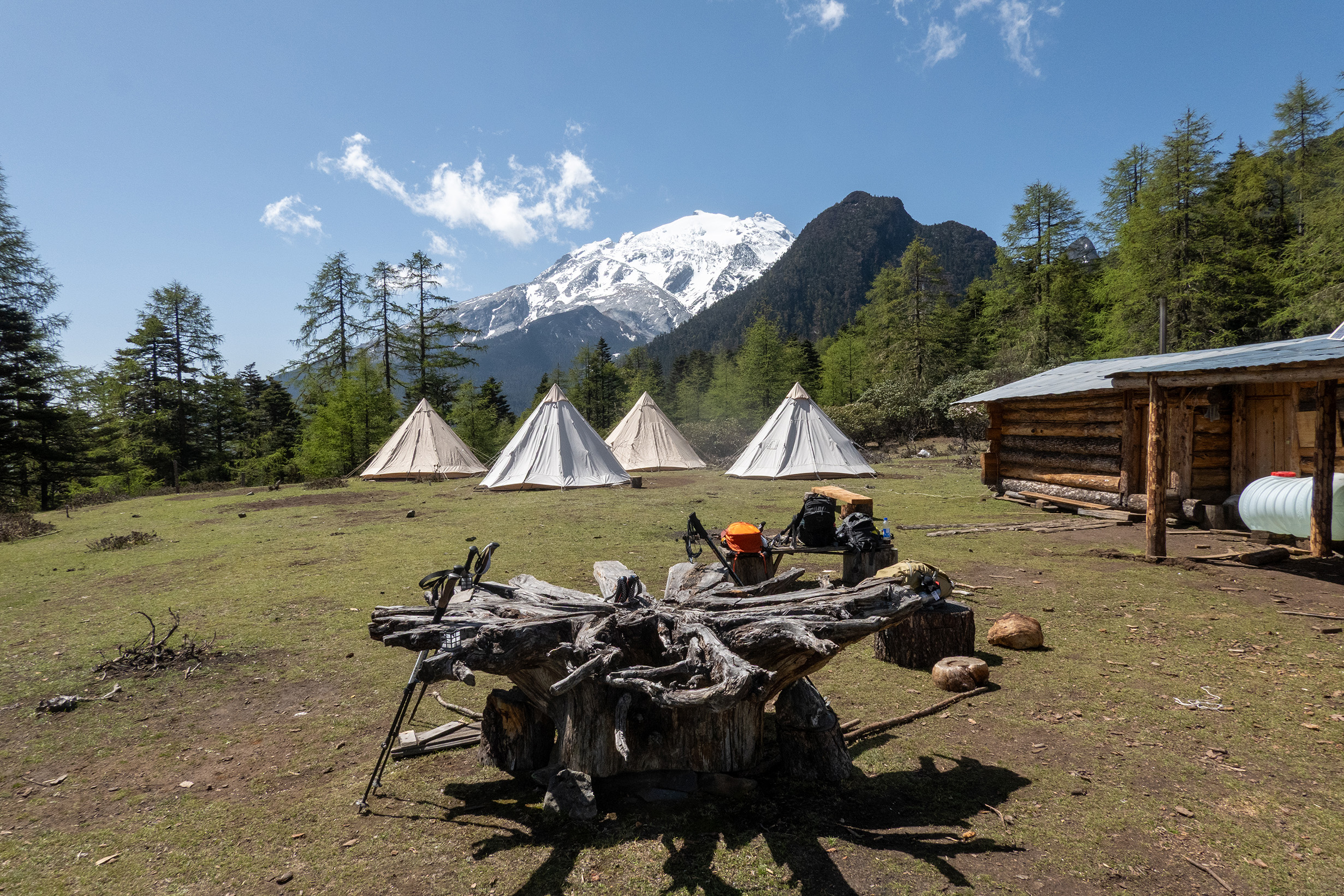
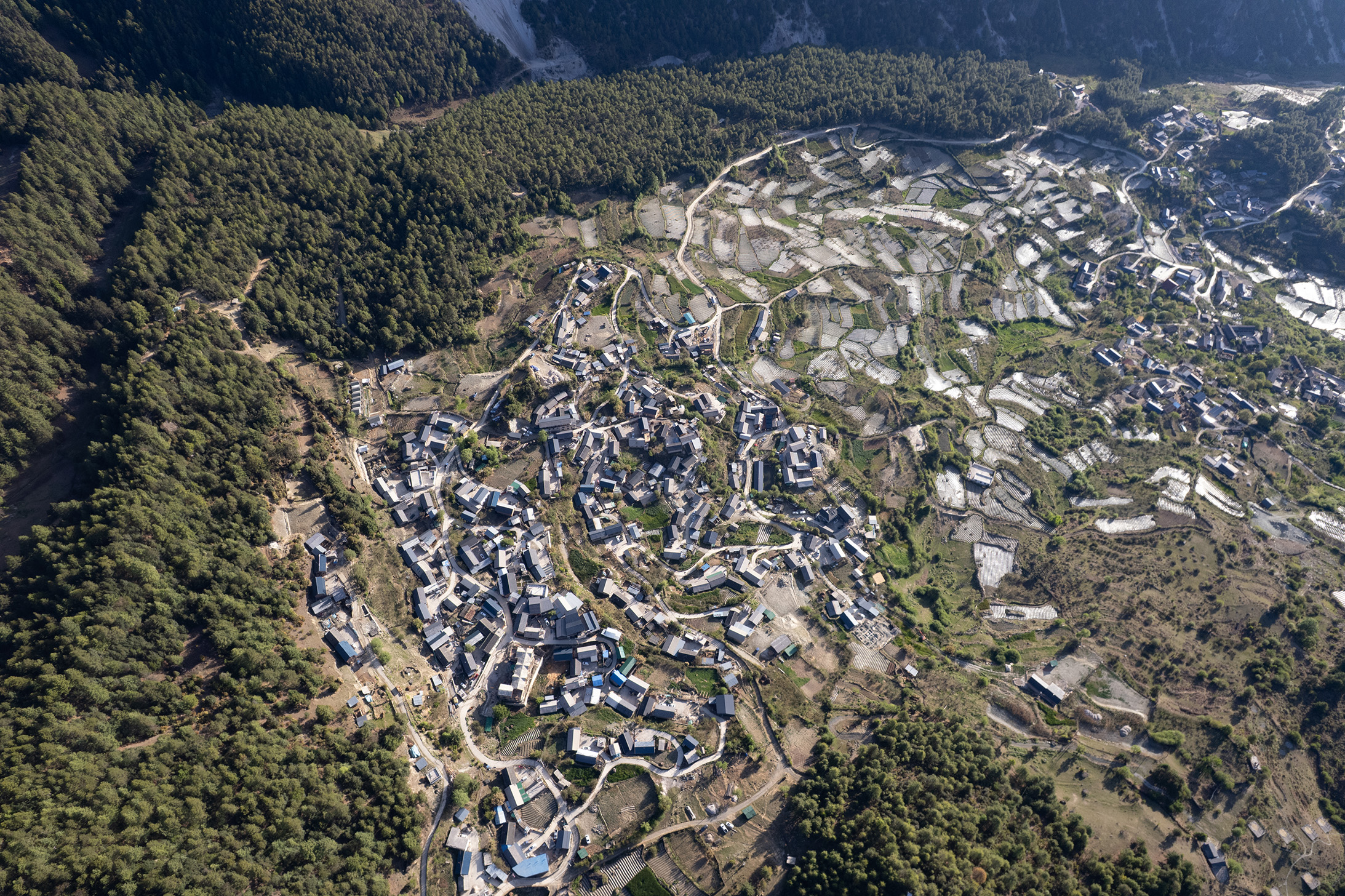
The hike up Haba Snow Mountain is a grueling yet rewarding high-altitude “grind” that takes trekkers from a traditional Yi Nationality village at 3,100 meters up to a breathtaking glacial lake near the 4,200-meter mark. The journey begins in a magical, lichen-draped forest before transitioning into a steady uphill climb along zigzagging alpine tracks. While the distance of roughly 9 kilometers each way is manageable at sea level, the thin air at 11,000 feet makes every step a gasping effort. Along the way, hikers pass through a halfway camping station—complete with surprising modern touches like solar panels and “glamping” setups—which serves as a critical rest point before the terrain turns significantly steeper and more demanding.
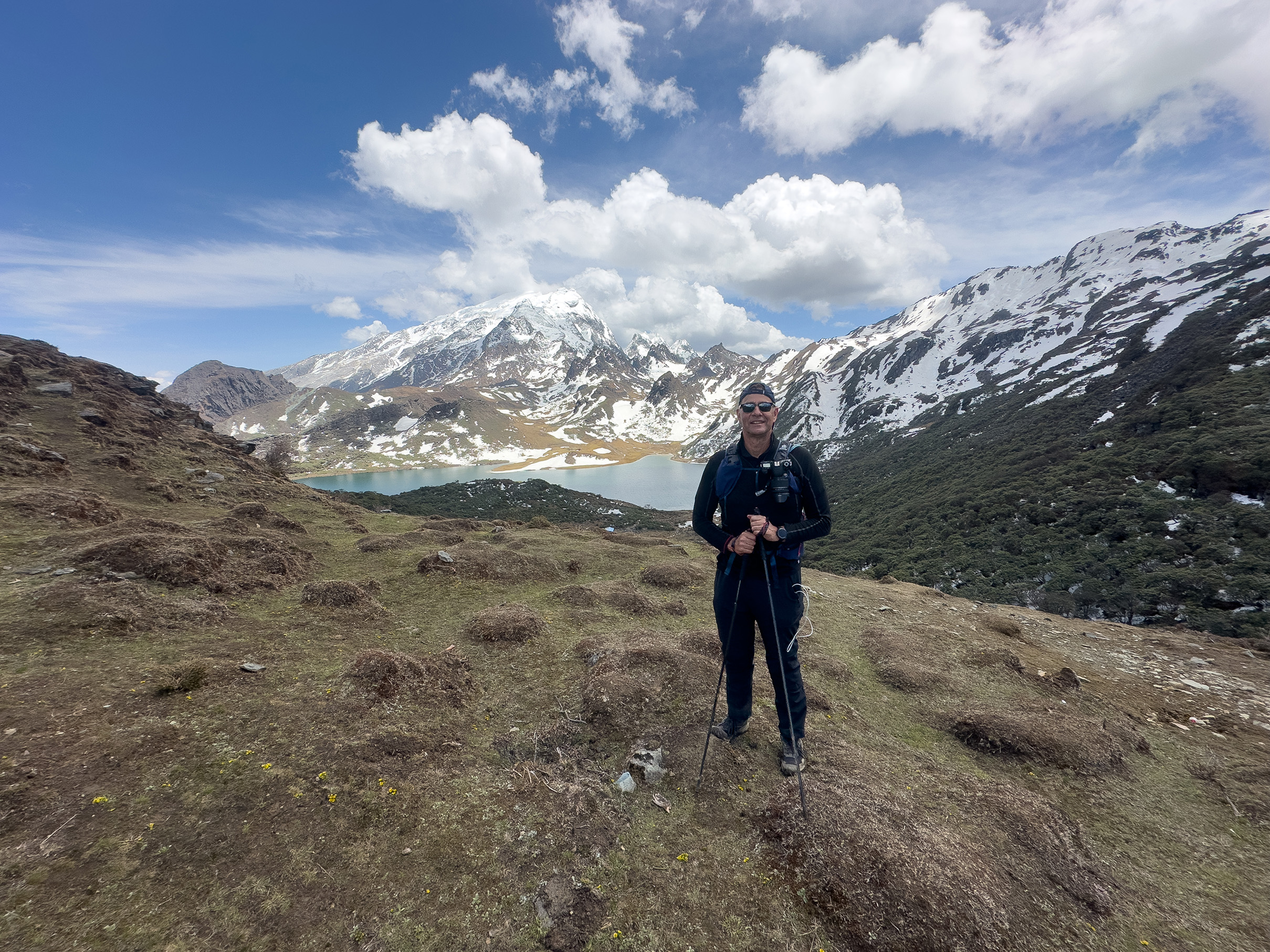
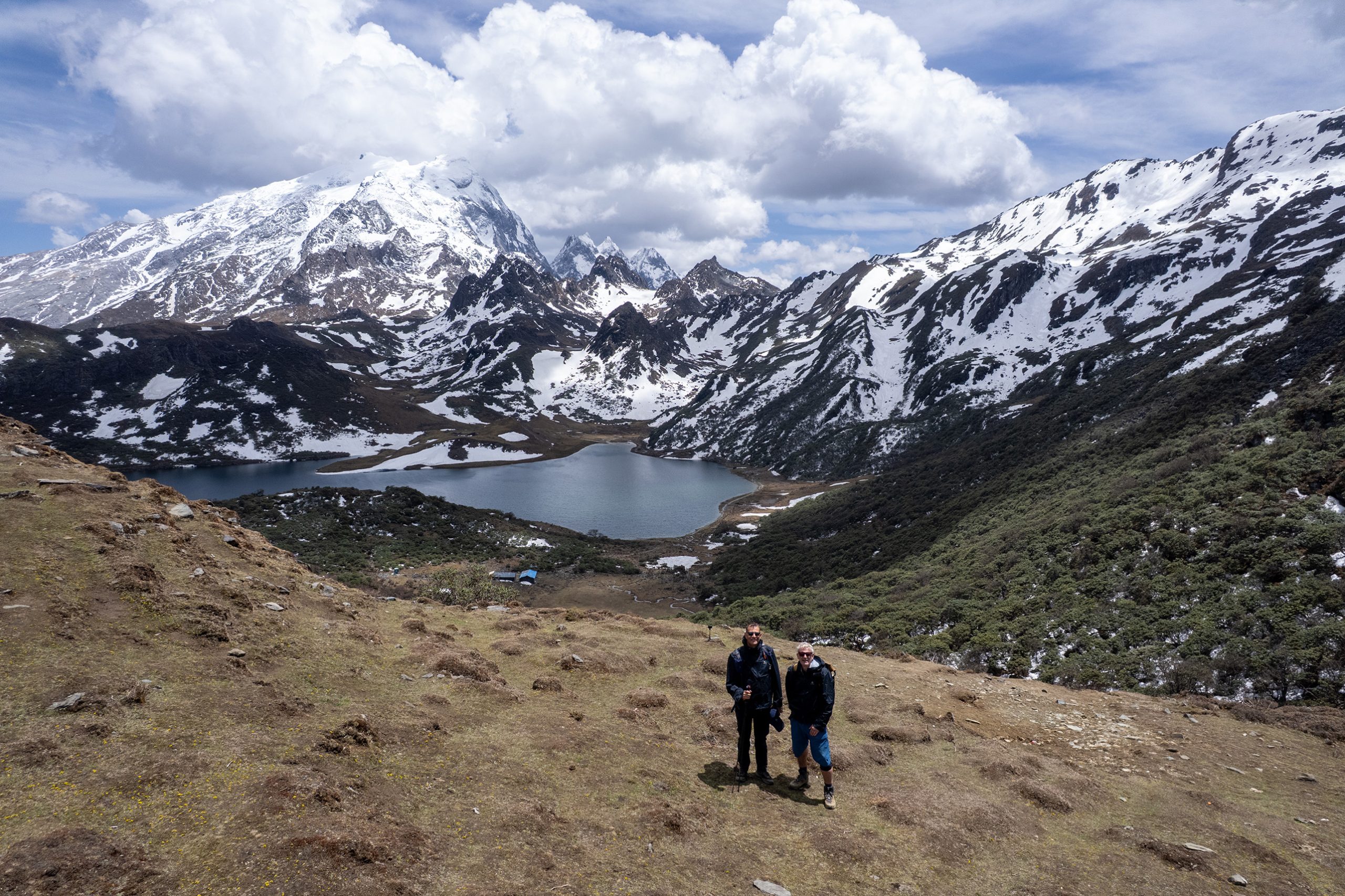
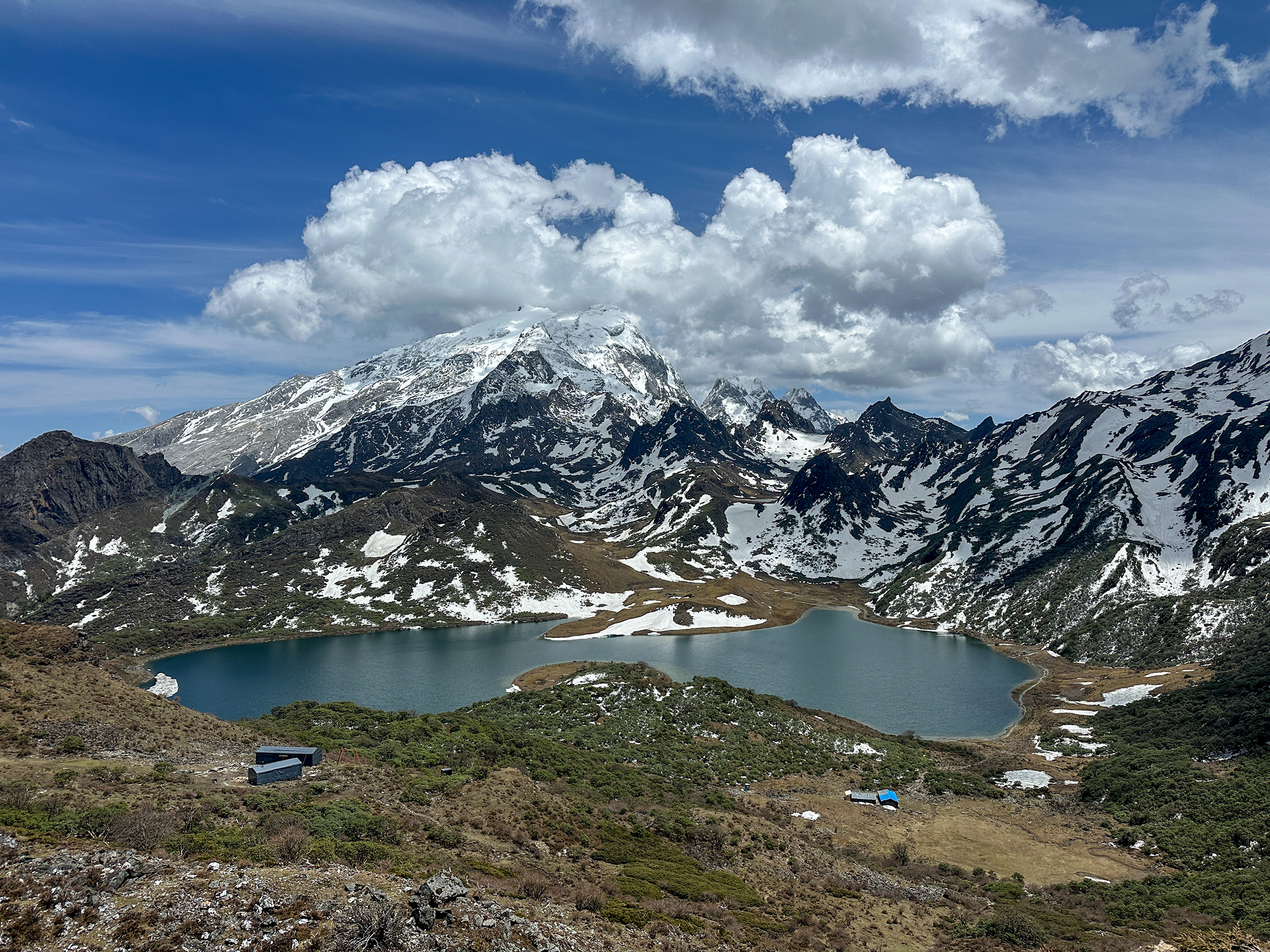
As the trail clears the tree line, the landscape transforms into a rugged alpine meadow that can become boggy and marshy, making waterproof ankle boots a necessity. The final push involves navigating riverbeds and rocky ridges where patches of snow appear and temperatures plummet toward freezing. Reaching the high ridge reveals a stunning panoramic view of the turquoise lake below, a triumph that validates the “brutal” vertical kilometer of ascent. To ensure safety, hikers often stick to the established path for the descent rather than risking unmaintained waterfall trails, occasionally catching a ride with local horsemen to rest their weary legs after an exhausting day above the clouds.
DIFFICULTY
DISTANCE
TIME
ELEVATION
WATCH THE VIDEO
DIRECTIONS
1. Transit from Lijiang to Haba Village: There is usually one daily bus from Lijiang’s Passenger Transport Terminal to Haba Village (roughly 4–5 hours). Alternatively, hire a private driver for approximately 500–700 RMB. Arrive the day before to settle into a local homestay in the Yi Nationality Village at 3,100m.
2. Gear Check and Fuel: The air is “very thin” and the ground is “marshy.”
Footwear: Waterproof ankle boots are mandatory—don’t wear sneakers, or you’ll have wet feet in the bogs.
Clothing: Bring layers for freezing temperatures at the top.
Hardware: Trekking poles are “game changers” for your triceps on the 1-in-4.5 grade slopes.
3. The Forest Start: Start early (before 8:00 a.m.). The first section is a “magical forest” walk with lichen hanging from the trees. The path here is wide and steady, but it is a “slow grind” at high altitude.
4. Avoid the “Steep” Shortcuts: You will see other hikers or locals taking steep, vertical shortcuts through the zigzags. Stick to the main track. As the Drone and Phone team noted, the shortcuts are exhausting and rarely gain significant ground over a steady pace.
5. Reach the “Glamping” Station (Halfway): At roughly 4.5 km and 3,900m, you’ll reach a camping station with solar panels and glamping tents. This is the traditional “finish line” for casual hikers. Take a long break here, use the swing, and check your oxygen levels/fatigue.
6. Navigate the Boggy Meadows Above the camp, the forest thins and the ground becomes “squidgy.” This alpine meadow acts as a floodplain. Navigate carefully to avoid sinking into the mud. If you lose the trail, look for other groups; at this height, the myriad of paths can be confusing.
7. Cross the Snow Line At 4,100m, the temperature will drop sharply and patches of snow will appear. The final push involves climbing up a riverbed and onto a rocky ridge. This is the most “brutal” section where every step requires a breath.
8. The High Ridge and Lake View Once you crest the final ridge (approx. 4,200m), you will see the glacial lake below and the Haba Snow Mountain summit towering above. Take your photos quickly; the wind at this altitude is biting.
9. Descend the Way You Came While there are rumors of a “loop” path passing a waterfall, the local guides advise against it as the path is often in poor condition. Return via the same steady path. It is roughly 9 km down, which is much easier on the lungs but harder on the knees.
10. Return to Lijiang Once back in Haba Village, you can either take the morning bus back to Lijiang (usually departs around 9:00 AM) or have your pre-arranged driver pick you up.
Tip: If you’re “absolutely exhausted,” you can sometimes pay a local horseman at the base camp to ride a horse back down to the village.
GALLERY